Why Use Calcium Nitrate for Tomatoes?
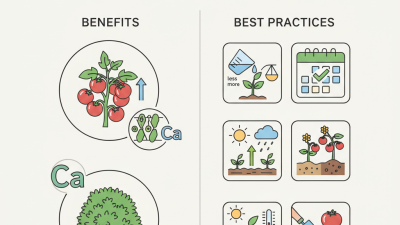
Tomatoes demand a careful balance between vigorous growth and reliable fruit quality. FAOSTAT’s 2022 crop data recorded global tomato production at approximately 186 million tonnes. That scale highlights why nutrient efficiency matters, from commercial greenhouses to small market gardens. Calcium Nitrate For Tomatoes supplies two important nutrients: readily available nitrate nitrogen and soluble calcium. Nitrogen supports leaves, stems, and fruit development. Calcium strengthens cell walls and helps maintain tissue structure. The fertilizer is also highly soluble, making it practical for fertigation systems and controlled greenhouse feeding.
The evidence requires caution. Calcium nitrate cannot repair every case of blossom-end rot. Research from the University of California Agriculture and Natural Resources explains that irregular water movement often limits calcium delivery to developing fruit. Excessive nitrogen may also encourage soft, leafy growth. The USDA Natural Resources Conservation Service recommends soil testing and nutrient budgeting before fertilizer application, rather than relying on visual symptoms alone. Good advice, but real crops remain unpredictable. A grower may see dark green leaves while young fruit still shows weak tissue at the blossom end. That detail matters.
This article examines why growers choose calcium nitrate, when it may be useful, and where it can disappoint. It will connect fertilizer selection with soil pH, irrigation consistency, electrical conductivity, and crop stage. The International Fertilizer Association promotes balanced nutrient management, not isolated nutrient use. That principle deserves attention here. Calcium nitrate can be effective, but only when water, roots, and nutrient ratios work together. Overapplication wastes money and may increase nitrate losses. Careful records, tissue testing, and measured applications provide a more dependable path than guesswork.

What Calcium Nitrate Is and How It Supports Tomato Growth
Why Use Calcium Nitrate for Tomatoes?
Calcium nitrate, Ca(NO₃)₂, supplies two plant nutrients in a water-soluble form. Commercial fertilizer analyses commonly show about 15.5% nitrogen and 19% calcium. The nitrate form enters roots quickly, while calcium supports cell walls, membranes, and new tissue development. Calcium moves mainly through the xylem with water, so steady root-zone moisture matters. It is not a magic powder.
Tomatoes need consistent nutrition during rapid leaf and fruit growth. FAOSTAT records more than 186 million tonnes of tomatoes produced worldwide in 2022, making efficient nutrient management increasingly important. In greenhouse fertigation, calcium nitrate can maintain nitrate availability without relying on slow microbial conversion. It can also help reduce blossom-end rot risk when calcium delivery is disrupted. However, blossom-end rot is linked to water stress and fruit demand, not calcium deficiency alone.
A common assumption—and one worth questioning—is that more calcium always means better fruit. Excess application may increase salt levels, encourage soft vegetative growth, or waste nitrogen through leaching. USDA Natural Resources Conservation Service guidance supports soil and irrigation-water testing before selecting fertilizer rates. Growers should check pH, electrical conductivity, drainage, and existing nitrate levels. I would adjust applications gradually, especially after hot days or heavy irrigation. Uneven watering can defeat a technically correct calcium program.
Key Benefits of Calcium Nitrate for Tomato Plants
Why Use Calcium Nitrate for Tomatoes?
Calcium nitrate gives tomato plants two useful nutrients: calcium and nitrate nitrogen.
Calcium supports stronger cell walls, firmer stems, and healthier new growth. Nitrate nitrogen promotes steady leaf development without depending on soil microbes for conversion. This matters when plants grow quickly during warm weather.
The benefit is clearest when calcium reaches the roots consistently. Adequate calcium can reduce the risk of blossom-end rot, which appears as dark, sunken patches beneath developing fruit. However, calcium nitrate cannot repair damaged tomatoes. Irregular watering, root injury, high salinity, and excessive potassium may still block calcium movement. It is not a cure-all.
Use soil or irrigation-water testing before applying it. A soluble application around the root zone can work well, especially in containers or drip-irrigated beds. Follow a measured rate, and avoid heavy feeding when foliage already looks dark green and lush. Too much nitrogen may produce large plants with fewer fruits. Keep moisture steady, but do not leave roots waterlogged. That balance is easy to overlook.
Small details matter. Apply it to moist soil, not dry roots. Keep granules away from the stem. Never mix concentrated calcium nitrate directly with phosphate or sulfate fertilizers, because cloudy deposits may form and reduce nutrient availability. Results also vary with soil texture and water quality, so observe new leaves and fruit over several days before adjusting the program.
When Tomatoes Need Calcium Nitrate Fertilization
When Tomatoes Need Calcium Nitrate Fertilization
Tomatoes may need calcium nitrate when soil calcium is low and nitrogen demand rises quickly. This often occurs during flowering, fruit set, or rapid canopy growth. Sandy soils can lose calcium through heavy irrigation. Frequent watering may also move nutrients below the root zone.
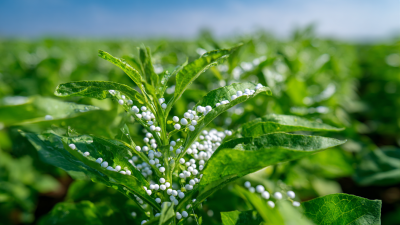
Standard calcium nitrate analysis commonly provides about 15.5% nitrogen and 19% calcium, according to fertilizer industry specifications from the International Fertilizer Association. It supplies both nutrients in a water-soluble form, making it suitable for fertigation and carefully timed applications.
Do not treat every blossom-end rot symptom as calcium shortage. University of Florida IFAS reports that the disorder usually involves poor calcium movement into young fruit. Uneven soil moisture, root damage, salinity, and excessive nitrogen can contribute.
A soil test should guide the decision. Tissue testing can reveal whether calcium uptake is actually limited. The University of California notes that soil calcium is often adequate, while irrigation management remains the bigger problem. That detail changes the plan.
Apply calcium nitrate when tests, crop appearance, and field conditions point in the same direction. Keep moisture steady around fruit set. Avoid large nitrogen doses that create soft, overly vigorous growth.
A simple mistake is adding calcium without checking pH, salinity, or irrigation uniformity. Calcium nitrate will not repair damaged roots. It cannot replace good drainage.
Results may also vary between beds, even within one greenhouse. Track new leaves, fruit quality, and electrical conductivity after application. Reconsider the program if symptoms continue.
Common Mistakes and Risks in Calcium Nitrate Use
Why Use Calcium Nitrate for Tomatoes?
Common Mistakes and Risks in Calcium Nitrate Use
Calcium nitrate supplies soluble calcium and nitrate nitrogen, supporting sturdy stems and steady tomato growth. However, more fertilizer does not mean more calcium inside the fruit. Blossom-end rot often involves uneven watering, damaged roots, or rapid plant growth. A white, sunken patch on a fruit is not automatic proof of calcium deficiency.
One common mistake is applying calcium nitrate without testing soil or irrigation water. Excessive amounts can raise salt levels around roots, causing leaf-edge burn and weak water uptake. Use a measured rate, dissolve it fully, and apply it to moist soil. Never pour concentrated solution against the stem. Small errors become visible quickly in containers.
Do not mix calcium nitrate directly with phosphate or sulfate fertilizers. Cloudy water and sediment may form, reducing nutrient availability and blocking equipment. Foliar sprays also carry risks, especially in hot sunlight. They can leave leaf burns and rarely solve root-zone problems. Consistent watering matters more than a sudden corrective dose. I would check moisture below the surface, not judge it by dry soil alone. In practice, growers sometimes chase symptoms and overlook irrigation changes, pruning stress, or excessive nitrogen. Nitrate can push soft, leafy growth when tomatoes already receive enough nitrogen. Leaching may also carry unused nutrients beyond the root zone.
Why Use Calcium Nitrate for Tomatoes? Common Mistakes and Risks in Calcium Nitrate Use
Calcium nitrate typically supplies about 15.5% total nitrogen and 19% calcium by mass. The chart compares common tomato leaf sufficiency ranges, expressed as a percentage of dry leaf matter. Calcium nitrate can help correct nitrogen or calcium shortages, but excessive application may cause overly vigorous growth, nutrient imbalance, and salt accumulation in the root zone.
Typical diagnostic ranges vary with cultivar, plant age, sampling method, and growing conditions. Use a soil or tissue test before increasing the application rate, and avoid mixing calcium nitrate in the same concentrated stock solution with sulfates or phosphates because insoluble precipitates may form.