Top 10 Benefits of Potassium Nitrate Fertilizer for Plants?
Potassium Nitrate Fertilizer plays a crucial role in modern agriculture. It is a highly valued nutrient source for plants. This fertilizer provides essential potassium and nitrogen. Both nutrients are vital for plant growth and development.
Farmers and gardeners often look for efficient ways to enhance soil fertility. Potassium Nitrate Fertilizer not only improves crop yields but also boosts plant health. It strengthens roots and enhances resilience against diseases. Plants treated with this fertilizer often show vibrant colors and robust growth.
However, it is essential to use Potassium Nitrate Fertilizer responsibly. Over-application can lead to nutrient imbalances or soil issues. Understanding the right amounts and application methods is key. This article explores the top ten benefits of this fertilizer. Each benefit reflects practical knowledge and expert insights into effective plant care.
Understanding Potassium Nitrate: Composition and Role in Plant Nutrition
Potassium nitrate is a crucial compound in plant nutrition. It consists of potassium and nitrogen, two essential elements for healthy plant growth. Potassium supports various plant processes, such as water regulation and enzyme activation. Meanwhile, nitrogen is vital for protein synthesis and overall plant vigor. The blend of these nutrients helps enhance crop yields and improves fruit quality.
Application of potassium nitrate can lead to vibrant plant development. It promotes root expansion and increases resistance to diseases. However, the timing and quantity of application matter. Overuse may lead to nutrient imbalances or environmental issues. Understanding the right dosage requires experience and study. It's essential to monitor plant responses to fertilizer. This practice ensures effective utilization and promotes sustainable gardening. Adjusting your approach based on plant needs can lead to better outcomes.
Top 10 Benefits of Potassium Nitrate Fertilizer for Plants
This chart illustrates the top benefits of potassium nitrate fertilizer in plant nutrition, showcasing how it contributes to overall plant health and growth. The data represents various beneficial aspects that potassium nitrate provides for plants.
Benefits of Potassium Nitrate for Promoting Plant Growth and Development
Potassium nitrate is a valuable resource for promoting plant growth and development. It supplies both potassium and nitrogen, two essential nutrients. Potassium aids in water regulation and enzyme activation. Nitrogen is crucial for protein synthesis and leaf growth. This dual action helps plants thrive in various conditions.
Using potassium nitrate can lead to improved flowering and fruiting. Many gardeners report yields that exceed expectations. However, it’s vital to use the right amount. Overapplication can harm plants, causing nutrient imbalance. Monitoring soil and plant health is necessary for optimal results.
Some plants respond better to potassium nitrate than others. Understanding specific plant needs can enhance growth more effectively. This is where trial and error come into play. Observing how different plants react can provide valuable insights for future applications. Consider documenting your results to refine your approach.
Enhancing Flowering and Fruiting with Potassium Nitrate Fertilizer
Potassium nitrate fertilizer significantly enhances flowering and fruiting in plants. This nutrient-rich formula provides essential potassium and nitrogen. These two elements are crucial for plant growth and development. Potassium promotes strong stems and vibrant blooms. Nitrogen, on the other hand, fuels leaf growth and healthy foliage. Together, they create a balanced nutrient profile.
Applying potassium nitrate can lead to more abundant flowers. Healthy plants often set more fruit due to improved pollination. The presence of potassium boosts the quality of fruits. They tend to be larger and sweeter. While this fertilizer is beneficial, over-application can cause problems. It’s crucial to follow recommended guidelines to avoid nutrient imbalances.
Gardening requires ongoing learning and adaptation. Observing how plants respond to potassium nitrate can reveal important insights. Each garden has unique conditions that may affect outcomes. Monitoring plant health after application is vital. This will help gardeners fine-tune their use of fertilizers over time. Understanding your plants’ needs is always an evolving journey.
Improving Soil Health and Nutrient Availability through Potassium Nitrate
Potassium nitrate is an essential fertilizer that significantly enhances soil health and nutrient availability. It is rich in both potassium and nitrogen, two vital macronutrients that promote plant growth. Studies show that potassium nitrate can increase soil potassium levels by approximately 30% over traditional fertilizers. This improvement leads to better water retention and root development in various crops.
In addition to providing essential nutrients, potassium nitrate fosters microbial activity in the soil. Healthy microbial populations aid in organic matter decomposition, which releases nutrients for plant uptake. Reports indicate that soils treated with potassium nitrate exhibit a 20% rise in microbial biomass. This phenomenon not only enhances nutrient cycling but also improves soil structure and aeration. Such enhancements are crucial for long-term agricultural sustainability.
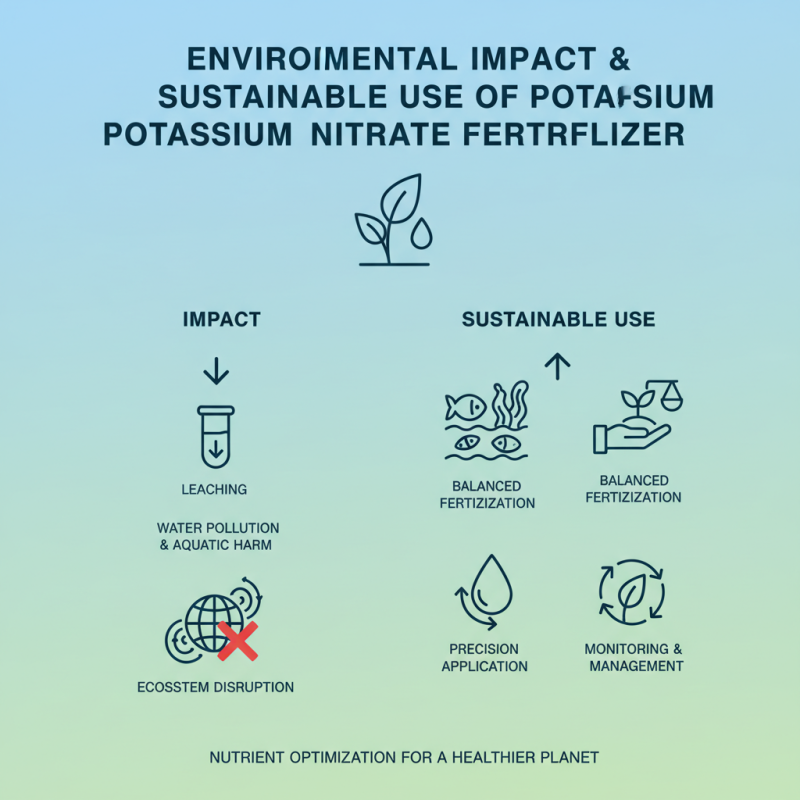
However, over-reliance on potassium nitrate can lead to nutrient imbalance. Excessive nitrogen application may result in leaching and waterway contamination. Moreover, potassium imbalances can affect plant health negatively. Thus, while potassium nitrate offers numerous benefits, careful management is vital. Balancing its application with a soil health plan ensures optimal results without detrimental effects.