How to Use Calcium Nitrate as Fertilizer in 2026?
Calcium Nitrate As Fertilizer is gaining attention as growers seek faster, cleaner, and more precise nutrition in 2026. The International Fertilizer Association’s Medium-Term Fertilizer Outlook 2024–2028 projects global fertilizer demand to increase by approximately 2.6% during this period. That growth reflects rising food production needs, tighter nutrient management, and stronger interest in efficient application. However, calcium nitrate is not a universal solution. Its value depends on crop demand, soil testing, irrigation quality, and application timing.
Commercial calcium nitrate commonly contains about 15.5% total nitrogen and 19% calcium, although product labels can differ. It dissolves readily in water and supplies nitrate nitrogen quickly. This makes it useful for greenhouse vegetables, fruit crops, leafy greens, and fertigation systems. The International Plant Nutrition Council promotes the “4R” approach. Dr. Thomas W. Bruulsema has described it this way: “The right source, at the right rate, at the right time, and in the right place.” That principle should guide every calcium nitrate decision.
Field experience often exposes an uncomfortable truth. More fertilizer does not automatically produce better plants. Excess nitrate can increase waste, weaken environmental performance, and create uneven growth. Calcium nitrate also should not be mixed casually with phosphate or sulfate fertilizers, because insoluble compounds may form. This guide explains how to calculate rates, choose application methods, avoid compatibility problems, and evaluate results in real growing conditions. Recommendations should remain flexible. Soil reports, water analysis, crop stage, and local regulations must shape the final program.

Understanding Calcium Nitrate and Its Role in Plant Nutrition
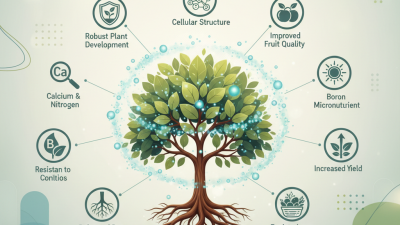
Calcium nitrate is a water-soluble fertilizer that supplies two important nutrients: nitrate nitrogen and calcium. Nitrate nitrogen supports steady leaf growth, chlorophyll production, and fruit development. Calcium strengthens cell walls and helps new roots, shoots, and fruit tissue develop properly. It does not correct every plant problem. Yellow leaves may also indicate iron deficiency, poor roots, or waterlogged soil.
Application guidance
Use a soil test before applying it in 2026. This avoids adding nitrogen when the soil already contains enough. Dissolve the measured fertilizer fully, then apply it around actively growing plants, keeping granules away from stems. In sandy soil, smaller applications may reduce nutrient loss. In containers, excessive rates can create salty soil, causing brown leaf edges and weak growth. A careful grower should check plant response after several days, because one dose rarely fits every crop. I would not rely on appearance alone.
Tips:
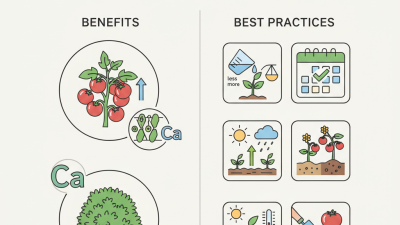
Apply calcium nitrate to moist soil, not dry roots. Avoid mixing it in the same concentrate with phosphate or sulfate fertilizers, because incompatible compounds may form. Keep a simple record of application rate, weather, leaf color, and growth. That record can reveal mistakes. For vegetables, consistent watering matters as much as calcium supply. More fertilizer is not always better.
Checking Soil Conditions and Selecting the Right Calcium Nitrate
Before using calcium nitrate in 2026, test the soil, not just the crop. A laboratory report should show pH, nitrate-nitrogen, exchangeable calcium, salinity, and moisture. Most vegetable crops perform well near pH 6.0–6.8, although crop requirements differ. Calcium nitrate is commonly sold with about 15.5% nitrogen and 19% calcium oxide. That makes it useful where nitrogen and calcium are both needed. It is less suitable when soil nitrate or salinity is already elevated.
Check electrical conductivity carefully. The USDA Natural Resources Conservation Service treats increasing soil salinity as a crop-growth risk, especially in poorly drained fields. A 2024 International Fertilizer Association outlook placed global fertilizer demand near 200 million tonnes of nutrients annually. That scale shows why nutrient efficiency matters. Apply only the amount supported by the soil report and crop removal estimate. More is not automatically better.
Choose a fully soluble grade for fertigation or foliar programs. Select a granular form when uniform soil application is practical. Avoid mixing calcium nitrate directly with concentrated phosphate or sulfate fertilizers. Precipitation can block irrigation lines. In my field observations, uneven watering often looked like calcium deficiency. It was not. Root stress caused the symptoms. I would retest questionable areas after irrigation, rather than immediately increasing the rate. Timing matters. Small applications during active growth usually reduce losses and limit sudden salt exposure. Check the product analysis, storage instructions, and local agricultural guidance before application.
Applying Calcium Nitrate Safely Through Soil or Irrigation
Calcium nitrate supplies readily available nitrate nitrogen and soluble calcium, making it useful when roots need quick support. Use soil testing before application; pale leaves alone do not prove nitrogen deficiency. A certified soil test can reveal pH, salinity, nitrate levels, and calcium balance. For soil application, spread granules evenly over moist ground, then irrigate lightly to move nutrients into the root zone. Do not leave granules on dry leaves. Avoid heavy doses near seeds or young stems, because concentrated salts can injure roots.
Through irrigation, dissolve the measured fertilizer completely in clean water before injection. Use a calibrated injector and keep the solution moving. Check water quality, especially hardness and alkalinity, because poor compatibility can form sediment and block emitters. Do not mix concentrated calcium nitrate with phosphate or sulfate fertilizers in the same tank. Separate applications, or confirm compatibility with a qualified agronomist. Flush irrigation lines with clean water afterward. This small step is often missed.
Apply split doses during active growth instead of one large application. Track crop response, drainage, and electrical conductivity near the root zone. If leaves remain pale, adding more may worsen salt buildup rather than solve the problem. I would adjust slowly, record weather and irrigation volumes, and review the plan after several days. Wear gloves and eye protection, store the fertilizer dry, and follow the product label and local regulations. The right rate is not universal.
Monitoring Plant Response and Adjusting Future Applications
How to Use Calcium Nitrate as Fertilizer in 2026?
Monitoring Plant Response and Adjusting Future Applications
Calcium nitrate supplies about 15.5% nitrogen and 19% calcium by weight. Use it only after checking soil, irrigation water, and crop demand. The International Fertilizer Association projects global fertilizer demand to approach 205 million tonnes of nutrients by 2028, increasing pressure to improve nutrient efficiency. Apply smaller doses through irrigation when possible, rather than relying on one heavy application.
Watch the crop for seven to fourteen days. New leaves should develop evenly, stems should remain firm, and leaf edges should avoid scorching. Measure soil nitrate and electrical conductivity near the active root zone. A sudden EC rise can indicate salt accumulation, especially in containers or poorly drained beds. The USDA NRCS Nutrient Management Standard 590 emphasizes soil testing, realistic yield targets, and nutrient timing.
Record application rate, weather, irrigation volume, and plant response. If growth remains pale, confirm root health before adding more nitrogen. Extra fertilizer cannot repair damaged roots. If tissue nitrate rises while growth stalls, reduce the next application and improve drainage. I have seen visual judgments mislead growers; dark green leaves sometimes hide excessive nitrogen. My own adjustment rule is still imperfect: I compare test results with crop records, then change rates cautiously, usually by 10–20%. Review those results after harvest, not only during the growing season.