What is Water Soluble Fruit Tree Fertilizer Benefits and Uses?
Water Soluble Fruit Tree Fertilizer is an essential tool for anyone looking to enhance fruit tree growth. This specialized fertilizer dissolves easily in water, allowing for quick absorption by the plant roots. Such efficiency often leads to healthier trees and a better yield.
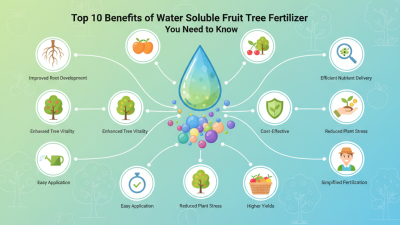
Using Water Soluble Fruit Tree Fertilizer has several key benefits. It delivers nutrients directly where they are needed. This method improves nutrient uptake and minimizes waste. Gardeners and farmers appreciate its versatility, as it works well in various gardening systems.
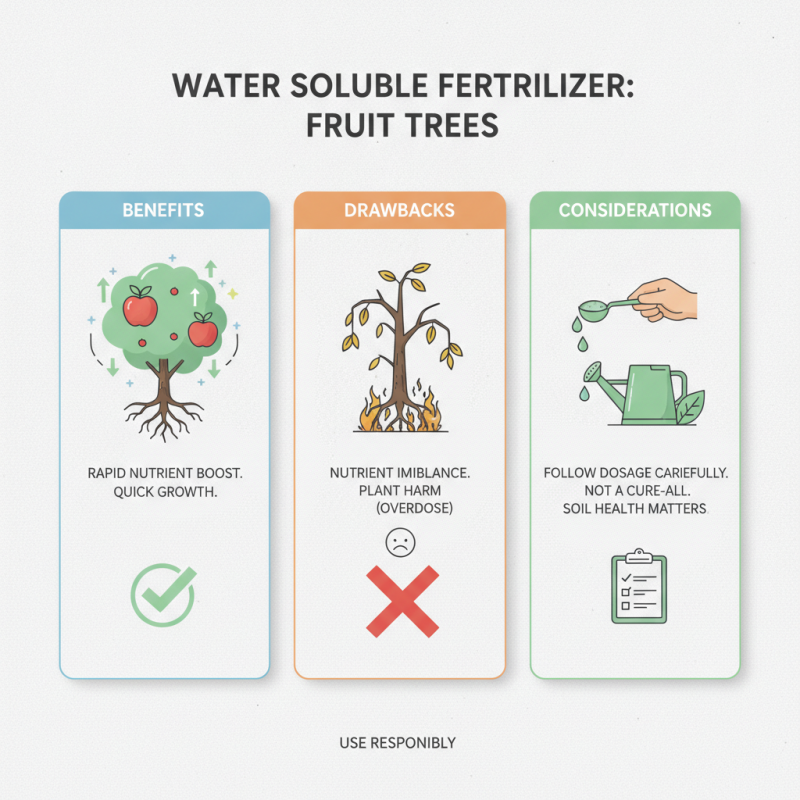
However, it is crucial to use this fertilizer correctly. Over-application can harm the plant rather than help it. Monitoring your fruit trees' response is essential. By paying attention to their needs, you can achieve optimal growth. Understanding when and how to apply this type of fertilizer will give you the best results. This balance is key to successful fruit production.
Overview of Water Soluble Fruit Tree Fertilizer
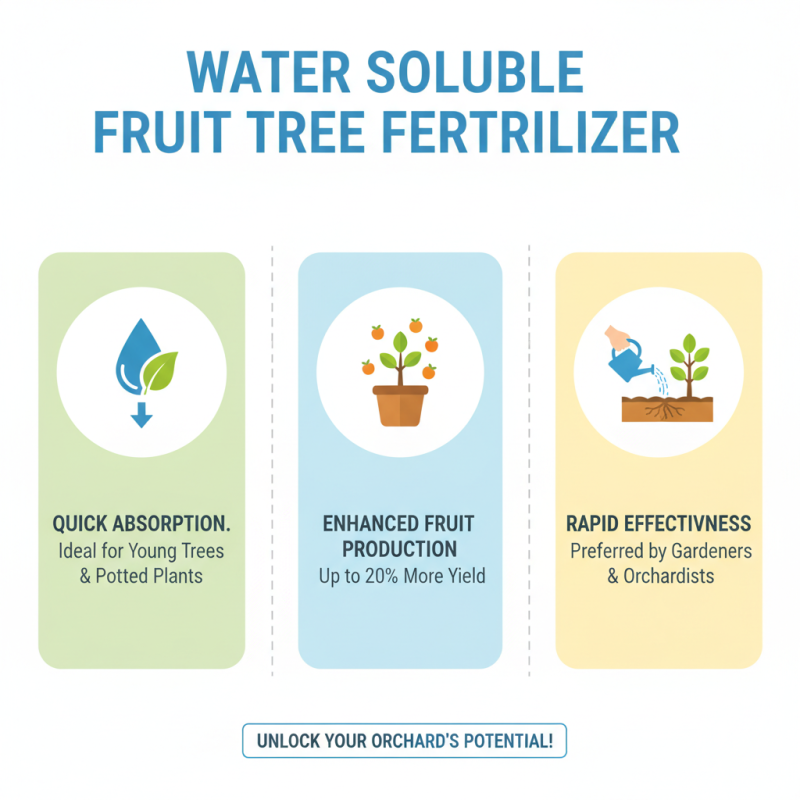
Water-soluble fruit tree fertilizer offers numerous advantages for enhancing fruit production. This type of fertilizer is designed for quick absorption and is ideal for young trees or potted plants. Research indicates that water-soluble fertilizers can increase yield by up to 20% compared to traditional granular options. This rapid effectiveness makes them a preferred choice for many gardeners and orchardists.
Another significant benefit lies in the precision of nutrient application. A report from the Agricultural and Food Research Council highlights that water-soluble fertilizers provide essential nutrients like nitrogen, phosphorus, and potassium in a readily accessible form. This helps in preventing nutrient lockout, a common issue with soil-based fertilizers. Using this method also reduces the risk of runoff, which can lead to environmental concerns.
Despite these advantages, some gardeners may find it challenging to balance their fertilizer use. Over-application can lead to increased salinity in the soil, affecting plant health. It emphasizes the need for careful monitoring and application. While water-soluble fertilizers are effective, understanding the soil's nutrient composition is crucial for optimal results. Regular soil tests can aid in a more thoughtful application strategy, promoting healthier fruit trees.
Key Benefits of Using Water Soluble Fertilizer for Fruit Trees
Water soluble fertilizers offer a unique advantage for fruit tree cultivation. They dissolve quickly in water, allowing for immediate nutrient absorption. This ensures that your trees receive essential elements like nitrogen, phosphorus, and potassium right when they need them. These nutrients support healthy growth, flowering, and fruiting.
One significant benefit is the reduction of nutrient leaching. With traditional fertilizers, nutrients can wash away, especially during heavy rains. Water soluble options are often more effective. They provide nutrients directly to the root zone. This targeted delivery enhances the efficiency of fertilizers in supporting tree health.
Using water soluble fertilizers can also lead to quicker results. Trees may show signs of growth within days. However, care must be taken with application rates. Over-fertilizing could harm young trees. Monitoring changes and adjusting accordingly is crucial for optimal growth. Every tree is different, and understanding their specific needs can be challenging.
How to Apply Water Soluble Fertilizer Effectively
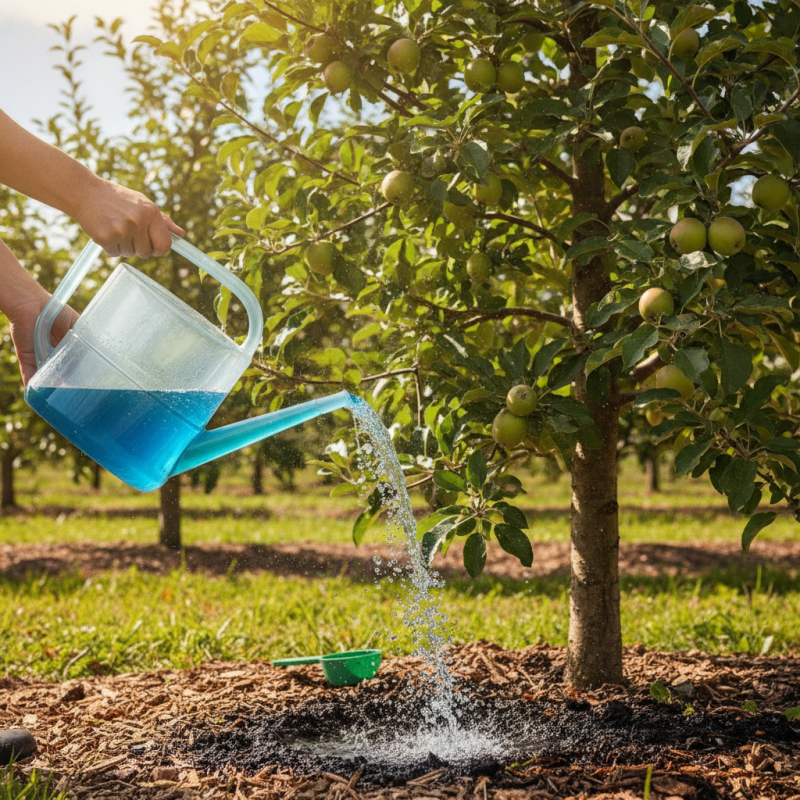
Applying water-soluble fruit tree fertilizer effectively requires attention to detail. Start by dissolving the fertilizer in water according to the package instructions. Consistency is key; too concentrated a mixture can harm your plants. When applying, aim for the root zone where they can absorb the nutrients best.
Choose the right time for application. Early morning or late afternoon works well. Avoid applying during peak sunlight to reduce evaporation loss. Watering the soil beforehand can enhance nutrient absorption. Monitor your trees closely after application. Look for signs of stress or nutrient deficiency, which could indicate that adjustments are necessary.
Remember to reflect on your application methods regularly. Are you seeing expected results? Mix batch sizes that match your specific needs; don’t overfertilize. Observing growth patterns can guide future applications, ensuring better care for your fruit trees.
Best Practices for Fertilizing Different Types of Fruit Trees
Fertilizing fruit trees requires attention to their specific needs. Different types of fruit trees thrive under varying conditions. For example, citrus trees benefit from fertilizers high in nitrogen. A balanced approach is vital. Over-fertilizing can harm trees, leading to root burn.
For stone fruit trees, such as peaches and cherries, potassium is crucial. This nutrient aids in fruit development. Adjusting the timing of fertilization is essential. Late spring applications promote healthy growth while avoiding frost damage. Regular soil testing helps track nutrient levels effectively.
Consider using water-soluble fertilizers. They allow for quick absorption and can be adjusted based on tree responses. Routine evaluation of tree health should guide your fertilization practices. Observing the tree's growth and fruit quality can reveal when adjustments are necessary. Make mistakes and learn from them; gardening is a journey of trial and adjustment.