How to Use Water Soluble Fish Fertilizer for Maximum Plant Growth
The significance of optimized plant growth in agriculture and gardening is more pronounced than ever, as the global population is projected to reach 9.7 billion by 2050, intensifying the demand for sustainable food production solutions. A key component of enhancing plant health and crop yield is the application of effective fertilizers. Among the varying types of fertilizers available, Water Soluble Fish Fertilizer has gained recognition for its ability to provide essential nutrients in a readily available form that plants can easily absorb. According to research by the American Society of Agronomy, fish-based fertilizers are not only rich in nitrogen, phosphorus, and potassium but also contain beneficial micronutrients and amino acids that support plant vitality and soil health.
Recent studies indicate that the use of Water Soluble Fish Fertilizer can lead to substantial improvements in crop productivity, sometimes increasing yield by up to 20% compared to conventional fertilizers. This is particularly significant in organic farming where the reliance on synthetic chemicals is minimized. The nutrient release pattern of this organic fertilizer enhances soil biodiversity, which is crucial in ensuring long-term sustainability of agricultural practices. By understanding how to properly utilize Water Soluble Fish Fertilizer, growers can harness the full potential of this sustainable nutrient source, paving the way for healthier plants and a more resilient agricultural ecosystem.

Understanding Water Soluble Fish Fertilizer and Its Benefits
Water soluble fish fertilizer is an organic nutrient source derived from fish, providing essential macro and micronutrients for plants. Its primary benefits lie in its ability to improve soil health, enhance microbial activity, and promote robust plant growth. Unlike traditional fertilizers, water soluble fish fertilizer is easy to mix with water, allowing for efficient application through foliar feeding or soil drenching. This method ensures that nutrients are readily available for plant uptake, resulting in faster growth rates and increased yields.
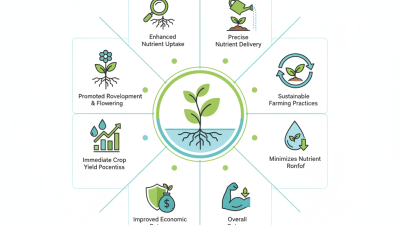
One of the key advantages of water soluble fish fertilizer is its rich content of amino acids and beneficial compounds, which not only nourish plants but also stimulate natural growth processes. These nutrients support the development of strong root systems, improving water retention and nutrient absorption. Moreover, the organic nature of this fertilizer fosters a healthy soil ecosystem by promoting beneficial microorganisms, leading to better nutrient cycling and disease resistance. As a result, using water soluble fish fertilizer can lead to healthier plants that are better equipped to withstand stressors such as drought and pests, ultimately enhancing garden productivity.
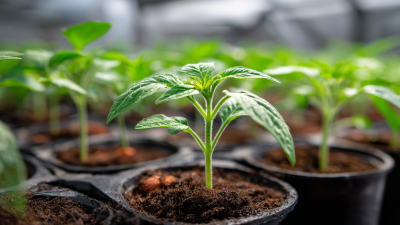
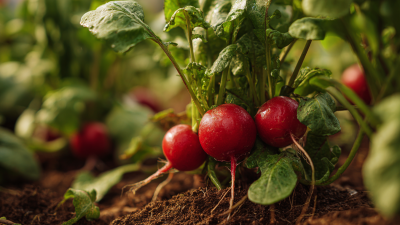
Plant Growth Comparison with Water Soluble Fish Fertilizer
Choosing the Right Water Soluble Fish Fertilizer for Your Plants
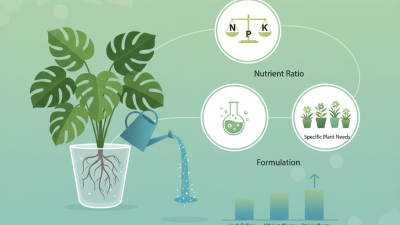
Choosing the right water soluble fish fertilizer is crucial for nurturing healthy and vigorous plants. When selecting a product, consider its nutrient profile, specifically the ratio of nitrogen (N), phosphorus (P), and potassium (K). Studies indicate that a balanced N-P-K ratio promotes optimal root development and foliage growth. For instance, a 5-1-1 fertilizer is typically ideal for leafy vegetables, while a higher phosphorus content is preferred for flowering plants. Research from the National Gardening Association suggests that water soluble fish fertilizers can yield up to 20-30% more growth compared to traditional fertilizers due to their organic nature and availability of nutrients.
When applying fish fertilizer, timing and concentration are key. It is essential to dilute the fertilizer according to package instructions, as concentrated solutions can harm plants rather than help them. A general tip is to mix one tablespoon of water soluble fish fertilizer per gallon of water and apply it every two to three weeks during the growing season. This frequency allows plants to absorb nutrients effectively, promoting robust growth and health.
Also, consider the specific needs of your plants. Leafy greens may thrive on a nitrogen-rich formula, while fruiting plants could benefit from additional potassium to enhance flower and fruit development. A soil test can provide insights into current nutrient levels, guiding your fertilizer choices. Remember, over-fertilization can lead to nutrient runoff and environmental harm, so moderation is vital in ensuring the health of both your plants and the ecosystem.
How to Properly Dilute Water Soluble Fish Fertilizer for Application
When using water soluble fish fertilizer, proper dilution is key to ensuring optimal nutrient absorption and avoiding potential harm to your plants. Begin the process by carefully measuring the amount of fish fertilizer recommended on the packaging, usually expressed in tablespoons or milliliters per gallon of water. It's important to adhere to the recommended ratios, as excessive fertilizer can lead to nutrient burn, while too little may not provide the benefits your plants need.
To mix the solution, fill a suitable container with the appropriate amount of water, and gradually add the fish fertilizer, stirring gently to ensure it dissolves completely. Once the solution is fully mixed, allow it to sit for a few minutes before application. This resting period can enhance nutrient availability, making it easier for plants to absorb them during watering. Apply the diluted solution directly to the soil around the base of your plants, avoiding contact with the leaves to prevent any potential leaf burn. Regular application, typically every two to four weeks during the growing season, will promote healthy growth and vibrant foliage.
How to Use Water Soluble Fish Fertilizer for Maximum Plant Growth
| Plant Type |
Dilution Ratio |
Application Frequency |
Optimal Growth Phase |
| Tomatoes |
1:10 |
Every 2 weeks |
Blooming Phase |
| Peppers |
1:15 |
Once a month |
Fruit Development |
| Leafy Greens |
1:20 |
Weekly |
Early Growth Phase |
| Herbs |
1:30 |
Every 3 weeks |
Before Harvest |
| Flowers |
1:25 |
Every 2 weeks |
Blooming Phase |
Best Methods for Applying Water Soluble Fish Fertilizer to Plants
When applying water-soluble fish fertilizer to plants, timing and method are crucial for maximizing its benefits. One effective approach is to fertilize during the active growing season, typically in spring and early summer. This aligns with when plants have the most nutrient demand.
Dilute the fish fertilizer as per the recommended ratio, ensuring it is well-mixed to prevent any concentrated areas that could harm the plants. Water the plants thoroughly before application to help reduce any potential shock and allow the nutrients to penetrate the soil more effectively.
There are several application methods to consider. One popular technique is to use a watering can equipped with a fine spout, allowing for an even distribution over the soil and minimizing wastage. Alternatively, a spray bottle can be effective for applying the solution directly to the leaves, especially for fast-acting nutrient absorption. Foliar feeding can enhance nutrient uptake by providing an additional layer of nourishment directly to the plants.
Regardless of the application method chosen, it’s important to monitor plants closely after fertilization, adjusting frequency based on their response and growth patterns for optimal health.
Frequency of Application for Optimal Plant Growth with Fish Fertilizer
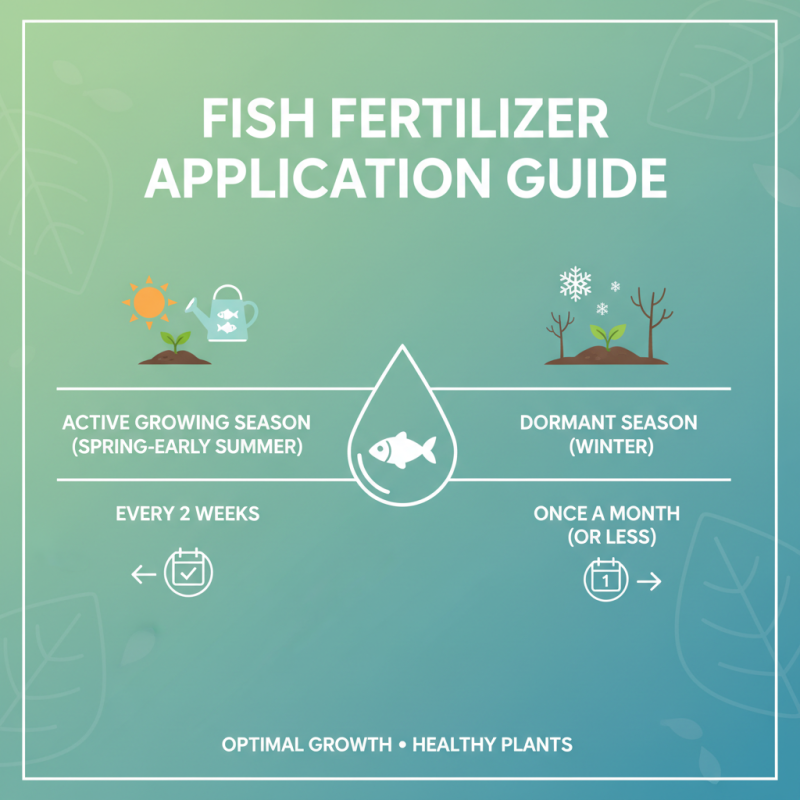
When using water-soluble fish fertilizer, the frequency of application plays a critical role in promoting optimal plant growth. Typically, it is recommended to apply fish fertilizer every two weeks during the active growing season, which usually spans from spring to early summer. This regular application provides a steady supply of nutrients that are vital for robust growth. However, during periods of dormancy, such as winter, it's advisable to reduce the frequency of application to once a month or less, as plants require fewer nutrients during these times.
Tips for maximizing the effectiveness of fish fertilizer include diluting the solution according to the package instructions. A concentrated mix can lead to nutrient burn, harming rather than helping your plants. Observe your plants closely; if they exhibit signs of nutrient deficiency, you may consider a slightly more frequent application, based on their specific needs. Additionally, applying fish fertilizer in the morning or late afternoon can minimize evaporation and absorption issues, ensuring that your plants receive the full benefit of the nutrients.
Incorporating fish fertilizer into your routine not only enhances growth but also improves soil health. To achieve the best results, take care to apply the fertilizer directly to the soil rather than the leaves, as this method allows roots to absorb nutrients more efficiently. Keeping a consistent schedule will help establish a strong and flourishing garden throughout the growing season.