Potassium Nitrate Powder has emerged as a versatile ingredient across various industries. Its applications span agriculture, food preservation, and even pyrotechnics. According to a recent market analysis by MarketsandMarkets, the global potassium nitrate market was valued at over $2.3 billion in 2020, with a notable growth rate projected through 2025. This growth highlights the increasing reliance on potassium nitrate for enhanced productivity.
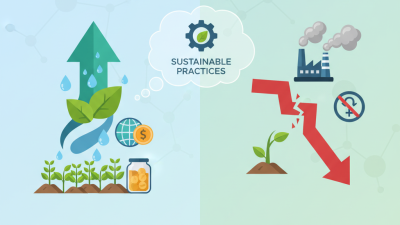
In agriculture, Potassium Nitrate Powder plays a crucial role as a fertilizer. It provides essential nutrients that boost crop yield and quality. A study from the International Journal of Agronomy emphasized that potassium is pivotal for plant growth and stress resistance. Farmers globally are integrating this compound into their nutrient management strategies. However, improper usage can lead to soil degradation, prompting the need for sustainable practices.
Moreover, Potassium Nitrate Powder finds utility in the food industry as a preservative. Its ability to inhibit bacterial growth extends the shelf life of processed meats and other products. The CDC reported that foodborne illnesses could be reduced with the proper use of preservatives like potassium nitrate. Yet, the focus should remain on balance and safety to prevent potential health risks. Understanding these applications aids global buyers in making informed choices while navigating the diverse uses of this compound.
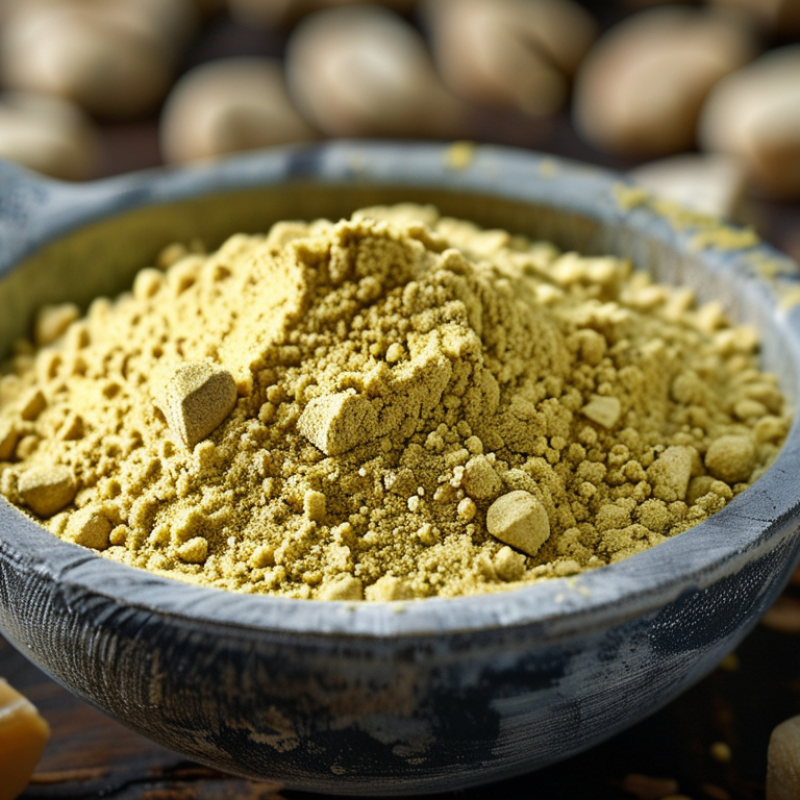
Potassium nitrate powder is increasingly recognized for its vital role in agriculture and horticulture. It serves as an effective fertilizer, offering both potassium and nitrogen. These two nutrients support plant growth, enhance yield, and improve fruit quality. According to a 2023 report by the International Fertilizer Association, nearly 40% of global potassium usage is in agricultural applications. This statistic underscores the significance of potassium nitrate.
Farmers often rely on potassium nitrate to manage soil fertility. In commercial vegetable production, it is known to boost the sugar content in crops, enhancing flavor. Furthermore, the powder is water-soluble, making it easy to apply through irrigation systems. Research reveals that utilizing potassium nitrate can increase crop productivity by up to 30%. However, relying solely on this fertilizer can lead to nutrient imbalances in the soil.
It's essential to manage potassium nitrate usage carefully. Excessive application may lead to environmental concerns, such as water contamination. Farmers should consider conducting regular soil tests to avoid over-fertilization. Balancing the needs of the crops with environmental impact is crucial. Responsible use of potassium nitrate can contribute to sustainable agricultural practices while meeting global food demands.

Potassium nitrate is increasingly recognized for its role in food preservation and processing. This compound acts as a curing and preservative agent. It is particularly effective in inhibiting the growth of bacteria, which can spoil food. Research indicates that potassium nitrate can reduce the risk of spoilage in meats and dairy products by as much as 30%. This creates a longer shelf life and enhances food safety.
The application of potassium nitrate in food processing is not without challenges. Some studies highlight concerns over excessive consumption. Regulatory bodies often set limits on its use in food items, ensuring consumer safety. A report from the International Food Science Journal mentions that maintaining the correct concentration is crucial. Too much potassium nitrate can lead to adverse health effects, including toxicity.
On a practical level, proper usage requires attention to detail. Different food types may react differently to potassium nitrate. For example, the curing process in meats may need careful temperature control. This ensures that the nitrate effectively preserves without compromising taste. As the industry continues to adapt, further research into safe applications remains essential.
Potassium nitrate, or saltpeter, plays a crucial role in the pyrotechnics industry. It is a key oxidizer in fireworks manufacturing. When combined with fuels, potassium nitrate helps create vibrant colors and explosive effects. This compound is known for its ability to enhance combustion reactions. In professional-grade fireworks, the proportion of potassium nitrate can significantly affect performance and stability.
Data from industry reports suggest that about 70% of fireworks use potassium nitrate as an oxidizer. This significantly boosts the efficiency of combustion. The temperature range for effective burning is closely monitored. An optimal mix can lead to brighter displays and reduced smoke. However, achieving this balance is not without its challenges. Small variations in composition can lead to inconsistent results.
Moreover, the safety of potassium nitrate in fireworks poses questions. While it is essential for the dazzling effects, improper handling can lead to accidents. Training and regulations are crucial in managing risks associated with its use. As manufacturers push for innovation, the need for safer alternatives is becoming more pressing. The industry is continually exploring options to improve safety without compromising performance.
Potassium nitrate plays a vital role in pharmaceuticals and nutrient solutions. In medication formulations, it acts as a crucial ingredient for various treatments. This compound is often used to produce antihypertensive drugs, which help manage high blood pressure effectively. The compound’s ability to balance electrolytes in the body is remarkable, and is essential for patient health.
Nutrient solutions also benefit from potassium nitrate. Many plants require this compound for optimal growth. It supplies both potassium and nitrogen, which are essential nutrients. Farmers frequently use it in hydroponic systems, as it promotes strong root development and increases crop yield. However, reliance on this chemical must be balanced; overuse can lead to soil depletion and environmental concerns.
The efficacy of potassium nitrate is substantial, yet the application must be monitored. Misuse can lead to unwanted consequences. Therefore, users should educate themselves on its proper usage. An awareness of the implications of potassium nitrate in agriculture and medicine is necessary. Careful consideration ensures that its benefits are maximized without jeopardizing health or the environment.
Potassium nitrate is widely used across agriculture and industry, but its environmental impact cannot be ignored. According to the U.S. Geological Survey, the excessive application of potassium nitrate can lead to water contamination. High levels of nitrates in drinking water pose serious health risks, especially for infants. Some studies indicate that over 10% of groundwater sources in agricultural areas exceed safe nitrate levels.
The use of potassium nitrate also poses risks to soil health. Research by the Soil Science Society found that continuous use can alter soil microbiome composition. This disruption can hinder plant growth and reduce biodiversity. Additionally, potassium nitrate contributes to greenhouse gas emissions during production. The significant carbon footprint associated with its manufacturing highlights the need for sustainable practices.
Monitoring and regulation are crucial to mitigate these impacts. The European Commission has established guidelines to limit nitrate levels in water bodies. Implementing best management practices can reduce runoff and promote healthier ecosystems. Awareness and education can help global buyers make informed decisions about potassium nitrate use.
| Use | Description | Environmental Impact | Safety Considerations |
|---|---|---|---|
| Fertilizer | Used to enhance plant growth by supplying potassium and nitrogen. | Can lead to water pollution if runoff occurs. | Handle with care to avoid skin and eye irritation. |
| Food Preservation | Used in curing meats to prevent spoilage and enhance flavor. | Can contribute to nitrate accumulation in food. | Limited use to avoid health risks associated with high nitrate levels. |
| Pyrotechnics | Used as an oxidizing agent in fireworks and explosives. | May pose environmental hazards if not disposed of properly. | Explosive hazard; handle with caution, following regulations. |
| Glass Production | Used as a flux in the production of glass to improve clarity. | Minimized environmental impact when used in controlled processes. | Ensure proper ventilation to avoid inhaling fumes. |
| Pharmaceuticals | Used in the production of certain medicines and laboratory reagents. | Minimal direct environmental impact; disposal must be managed. | Follow safety protocols to avoid exposure. |
| Soil Amendments | Used to improve soil health and nutrient availability. | Excessive application can lead to soil and water pollution. | Apply as per recommended guidelines to avoid overuse. |
| Home Gardening | Used by home gardeners to promote flowering and fruiting. | Lower impact if used responsibly in small quantities. | Keep out of reach of children and pets. |
| Water Treatment | Used to remove contaminants in water treatment processes. | Effectiveness reduces negative environmental impacts from contaminants. | Training required to handle chemicals safely. |
| Fire Extinguishers | Serves as an ingredient in some fire suppression agents. | Minimal impact if used in controlled environments. | Ensure proper training for use. |