How to Use Calcium Nitrate As Fertilizer Effectively?
Calcium nitrate as fertilizer is a powerful tool for farmers and gardeners alike. This nitrogen-rich compound plays a crucial role in plant growth. It helps improve root development and boosts overall plant health. When applied correctly, calcium nitrate enhances nutrient uptake and crop yield.
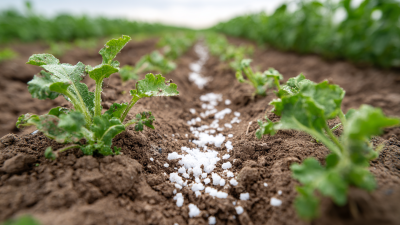
Using calcium nitrate as fertilizer involves more than just scattering it on the soil. Understanding the right timing and application method is essential. Overuse can lead to nutrient imbalances and plant stress. Many growers realize too late that excess fertilizer can be harmful. Therefore, it's vital to follow guidelines closely.
When managing calcium nitrate as fertilizer, water-soluble forms are often preferred. They provide immediate results, especially for fast-growing plants. However, the potential for leaching exists. Farmers might overlook soil testing, leading to misguided applications. A cautious approach will always yield better results, ensuring plants thrive without unnecessary risks.

Importance of Calcium Nitrate in Soil Nutrient Management
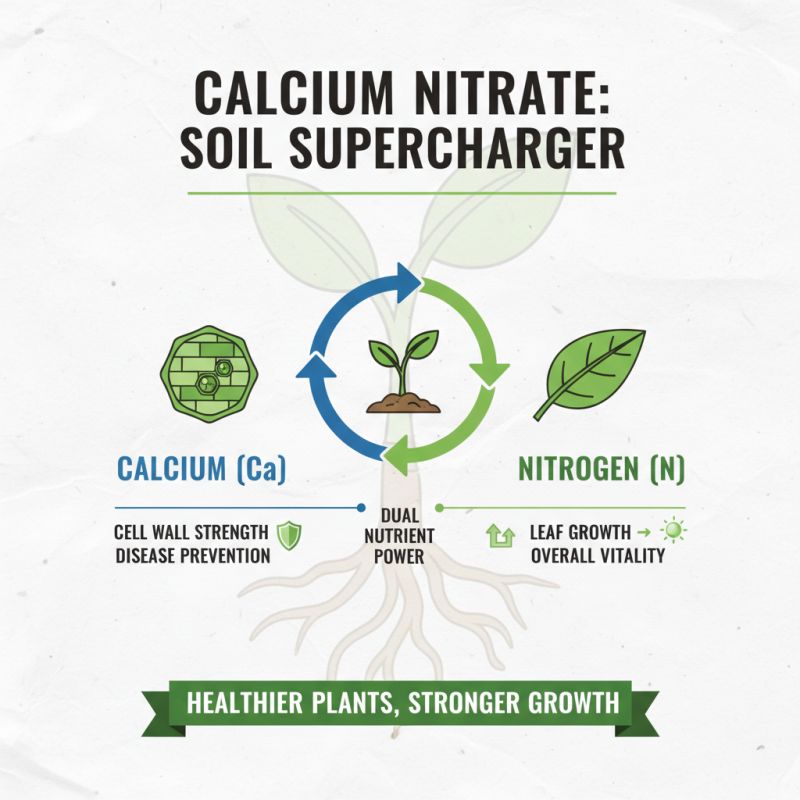
Calcium nitrate plays a crucial role in soil nutrient management. It provides essential calcium and nitrogen, both vital for plant health. Calcium supports cell wall structure, preventing diseases. Nitrogen helps in leaf growth and overall vitality.
Applying calcium nitrate can be tricky. Overuse may lead to nutrient imbalances. Farmers must consider soil testing before application. This helps determine if the soil truly needs more calcium or nitrogen. Timing is also important; applying it during key growth stages maximizes effectiveness.
It's interesting to note that not all plants react the same way. Some may show rapid growth, while others might struggle. Observing plant responses can guide future applications. Maintaining the right balance is an ongoing challenge. It requires constant attention and adjustment based on plant needs and soil health.
Recommended Application Rates for Various Crop Types
Calcium nitrate is valuable for farmers. Different crops require specific application rates. For example, leafy greens thrive with 200-300 kg per hectare. This rate supports optimum growth and nutrient absorption.
Root crops, such as carrots and potatoes, need less calcium nitrate. An application of 150-200 kg per hectare is recommended. Soil health can also be impacted. High application rates may lead to nutrient imbalances.
For fruiting plants like tomatoes and peppers, 250-400 kg per hectare works well. These crops benefit from additional calcium, which helps in fruit development. However, over-application could harm soil microbiomes. It's crucial to test soil regularly for balance.
How to Use Calcium Nitrate As Fertilizer Effectively? - Recommended Application Rates for Various Crop Types
| Crop Type |
Recommended Application Rate (lbs/acre) |
Application Timing |
Notes |
| Tomatoes |
150-200 |
At planting and during fruit development |
Avoid over-application to prevent nitrate leaching |
| Corn |
200-300 |
Side-dress at V6 to V8 stage |
Soil test recommended to tailor rates |
| Potatoes |
180-220 |
Pre-plant and at tuber initiation |
Beneficial for boosting tuber quality |
| Carrots |
100-150 |
At planting and mid-season |
Helps in root development |
| Lettuce |
110-160 |
Before planting and during growth |
Essential for leafy growth |
| Strawberries |
150-200 |
At planting and after harvest |
Promotes flowering and fruiting |
Best Practices for Applying Calcium Nitrate in Different Growth Stages
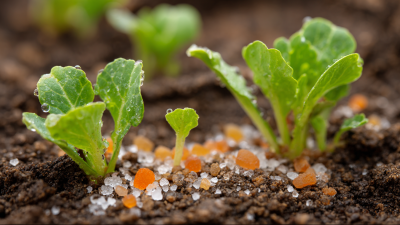
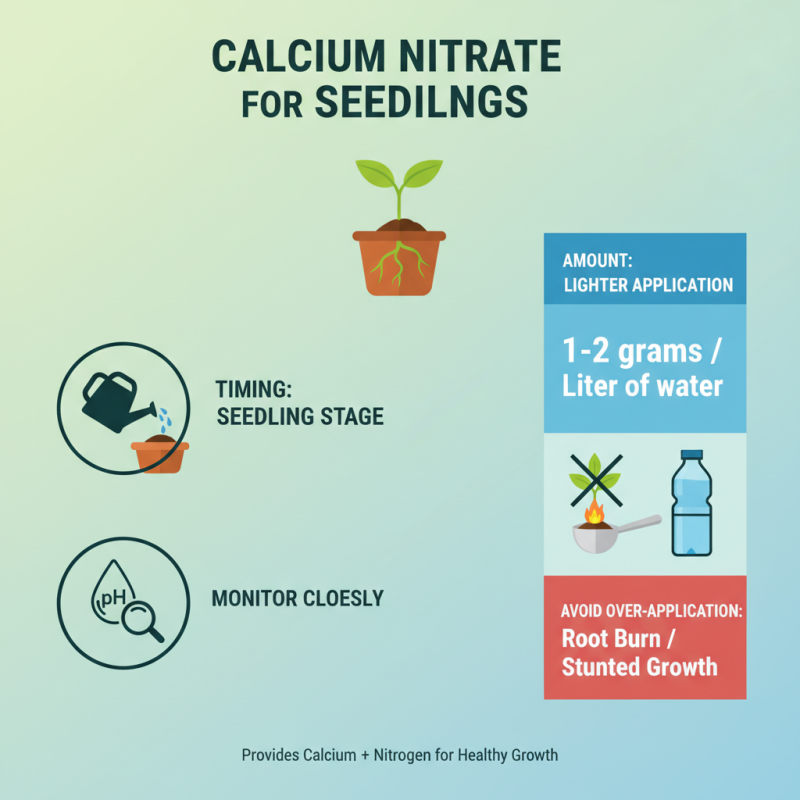
Calcium nitrate is a valuable fertilizer that provides both calcium and nitrogen. When applying it effectively, the timing and amount are crucial. In the seedling stage, a lighter application is advised. A concentration of 1-2 grams per liter of water helps seedlings develop without burning fragile roots. Monitor their growth closely. Over-application can stunt their progress.
As plants enter the vegetative stage, calcium nitrate becomes more critical. Increase the concentration to about 3-4 grams per liter. This boost supports leaf growth and overall vigor. However, avoid applying it too close to flowering. Excess nitrogen can lead to lush foliage at the expense of blooms. Reflection on previous outcomes is essential. Did you notice a delay in flowering before?
In the flowering and fruiting stages, precision matters. Consider cutting back on nitrogen and focus on balanced feeding. Too much calcium nitrate can affect fruit quality. Use it sparingly, perhaps every couple of weeks. Evaluate plant responses regularly. Observe how the plants adapt. Not all varieties react the same. Adapting your approach can yield better results over time.
Potential Impact of Calcium Nitrate on Soil pH and Microbial Activity
Calcium nitrate is widely used as a fertilizer due to its effects on soil health. It significantly influences soil pH levels. Research shows that calcium nitrate can raise pH in acidic soils, improving nutrient availability. A study by the Journal of Soil Science indicates that calcium nitrate application can increase soil pH by 0.5 units within a month.
Microbial activity is another area affected by calcium nitrate. It can enhance beneficial microbial populations, leading to improved soil structure. According to a report from Soil Biology & Biochemistry, soil treated with calcium nitrate saw a 30% increase in microbial biomass. This increase can improve soil fertility and plant growth.
However, applications must be balanced. Excessive use may lead to elevated soil salinity levels. This can harm plant roots and reduce overall crop yields. Monitoring soil conditions is critical. Regular testing helps avoid potential issues. Proper application timing and rates are vital for effective use.
Environmental Considerations and Best Practices for Sustainable Use of Calcium Nitrate
Calcium nitrate is a popular fertilizer due to its nitrogen and calcium content. However, its use raises environmental questions. Excessive runoff can lead to water quality issues. According to the Environmental Protection Agency, nutrient pollution is a significant concern. It can harm aquatic ecosystems and drinking water sources.
To use calcium nitrate sustainably, consider soil testing. Knowing nutrient levels helps prevent over-application. The ideal application rate for crops is often between 200 to 300 pounds per acre. Monitor your soil and adjust accordingly. This practice minimizes environmental impact while improving crop health.
**Tip:** Apply calcium nitrate when plants are actively growing. This timing increases uptake efficiency and reduces leaching. Use it in combination with organic practices to enhance soil health.
Another consideration is proper storage. Calcium nitrate should be kept dry to prevent caking. Unsealed bags can lose efficiency over time. Assess your storage methods to ensure product integrity.
**Tip:** Implement a crop rotation strategy. This not only improves soil nutrient balance but also reduces disease risk. Sustainable practices lead to healthier crops and a healthier planet.
Calcium Nitrate Usage in Sustainable Agriculture